Setting Up a Factory in Saudi Arabia: The Order of Operations
The machines are the part everyone plans for. The licence, the plot, the power connection and the people are what decide your start date.
Valeur X Founder
Sourcing since 2012
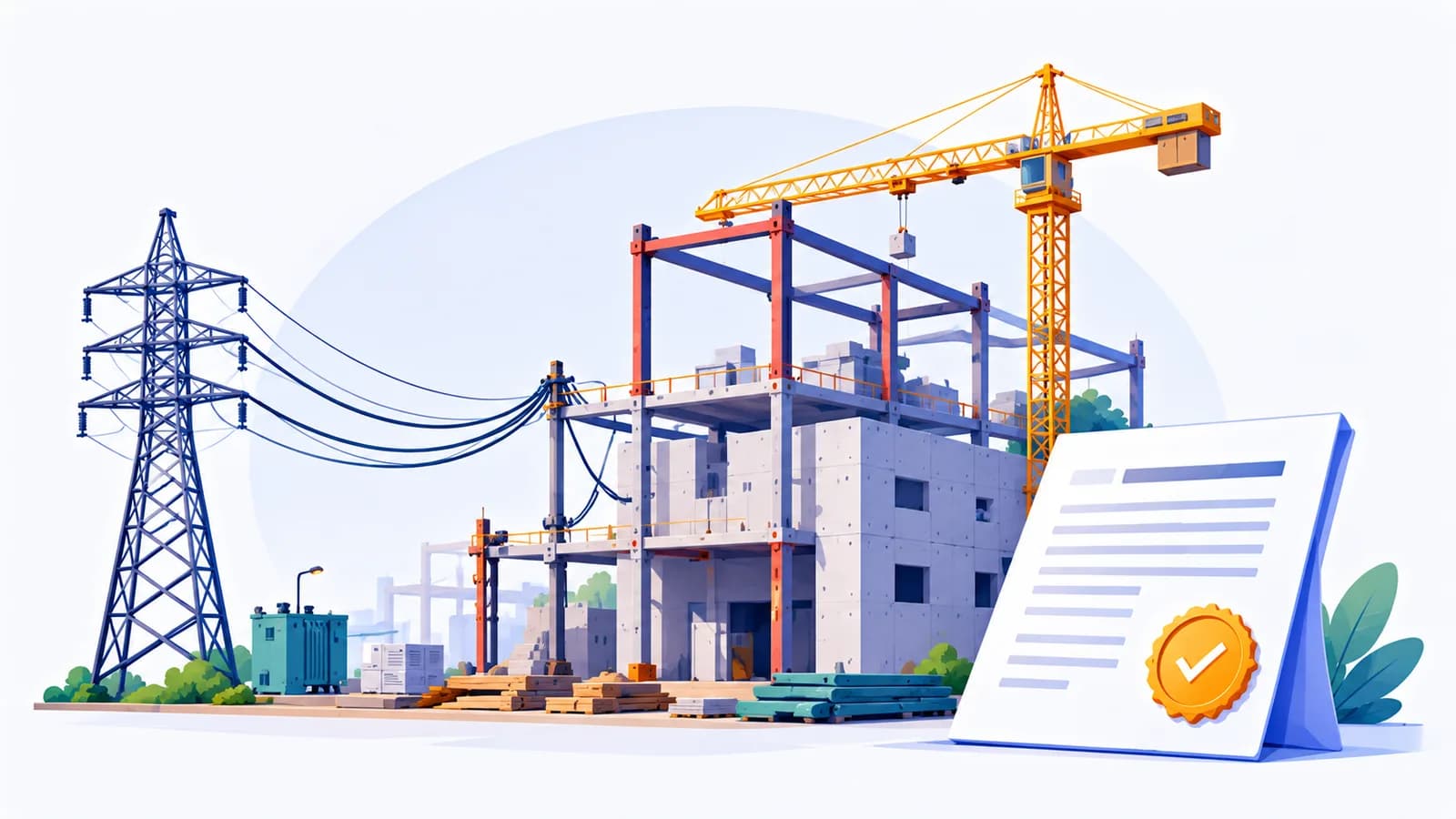
A production line can be specified, bought and shipped in a few months. Getting a building that can receive it, with power, a licence and a team, takes longer — and it is almost always what moves the opening date. Planning in the right order is most of the work.
Licence and land before equipment
The industrial licence defines what you are permitted to produce, and the plot you take has to match it. Industrial cities give you serviced land and a faster path on utilities, at the cost of less flexibility. Private land can be cheaper per square metre and far more expensive in connection time. Decide this before you commit to machinery, because the machinery is what the building is sized around.
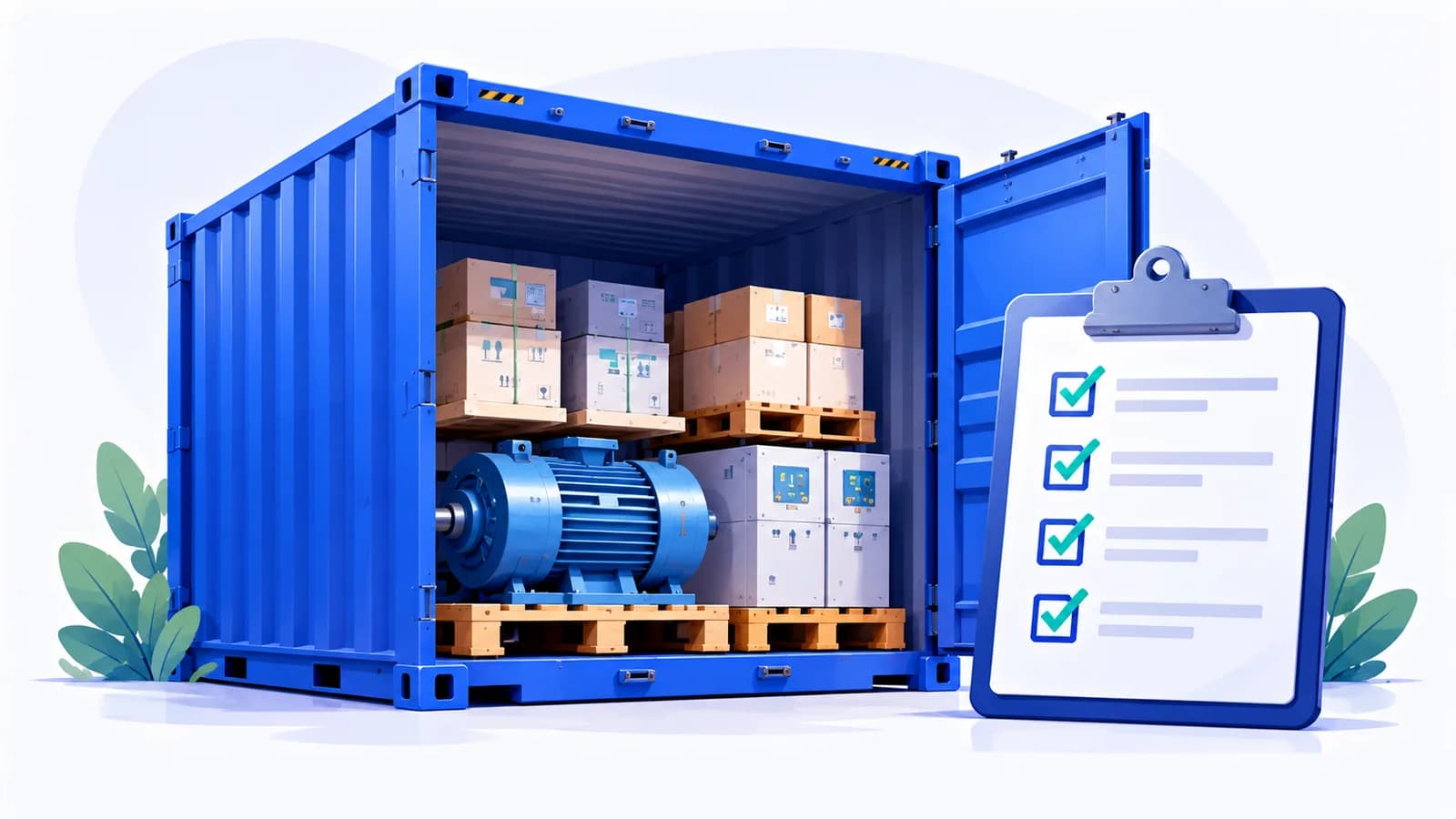
- Industrial licence for the specific activity you intend
- Plot, lease and a building sized to the line plus expansion
- Power load and connection date confirmed in writing
- Environmental and civil defence approvals in the schedule, not after it
- Saudisation and workforce plan costed from day one
The power connection is the schedule
Of everything on that list, the electrical load is the item that most often decides the opening date. Confirm the connection date in writing early, and size it for the second line rather than the first. Upgrading later is a project of its own.
The cost of a factory is rarely the machines. It is the months between signing for them and producing anything.
Buy the line, not a list of machines
A set of individually excellent machines that nobody has integrated is not a production line. One party should be accountable for throughput at the end of the line, for the interfaces between stations, for installation, commissioning and training. That single point of responsibility is worth paying for, because without it every fault becomes an argument between suppliers.
Plan for spare parts and the first year of maintenance while you are still negotiating. It is the cheapest it will ever be, and a line waiting three weeks for a part costs more than the part ever will.