Importing Equipment from China Without Surprises
Most import problems are not bad luck. They are five predictable gaps — and each one can be closed before you transfer a single riyal.
Valeur X Founder
Sourcing since 2012
After more than a decade of sourcing from China, the failures we see are remarkably consistent. None of them are caused by the machines themselves.
Gap 1: an unverified supplier
A polished profile on a trading platform proves nothing. Registration, export rights and compliance history should be checked legally, in China, before any commitment — and the factory should be visited by someone who works for you.
Gap 2: a specification that leaves room
Anything not written into the contract will be decided by the supplier, in their favour. Voltage, tooling, spare parts, accessories, packaging and acceptance criteria all belong in the document.
Gap 3: paying a stranger
The riskiest moment in any import is the transfer. Contracting with a local entity that holds the supplier relationship keeps your capital under a jurisdiction where you have recourse.
Gap 4: inspection after arrival
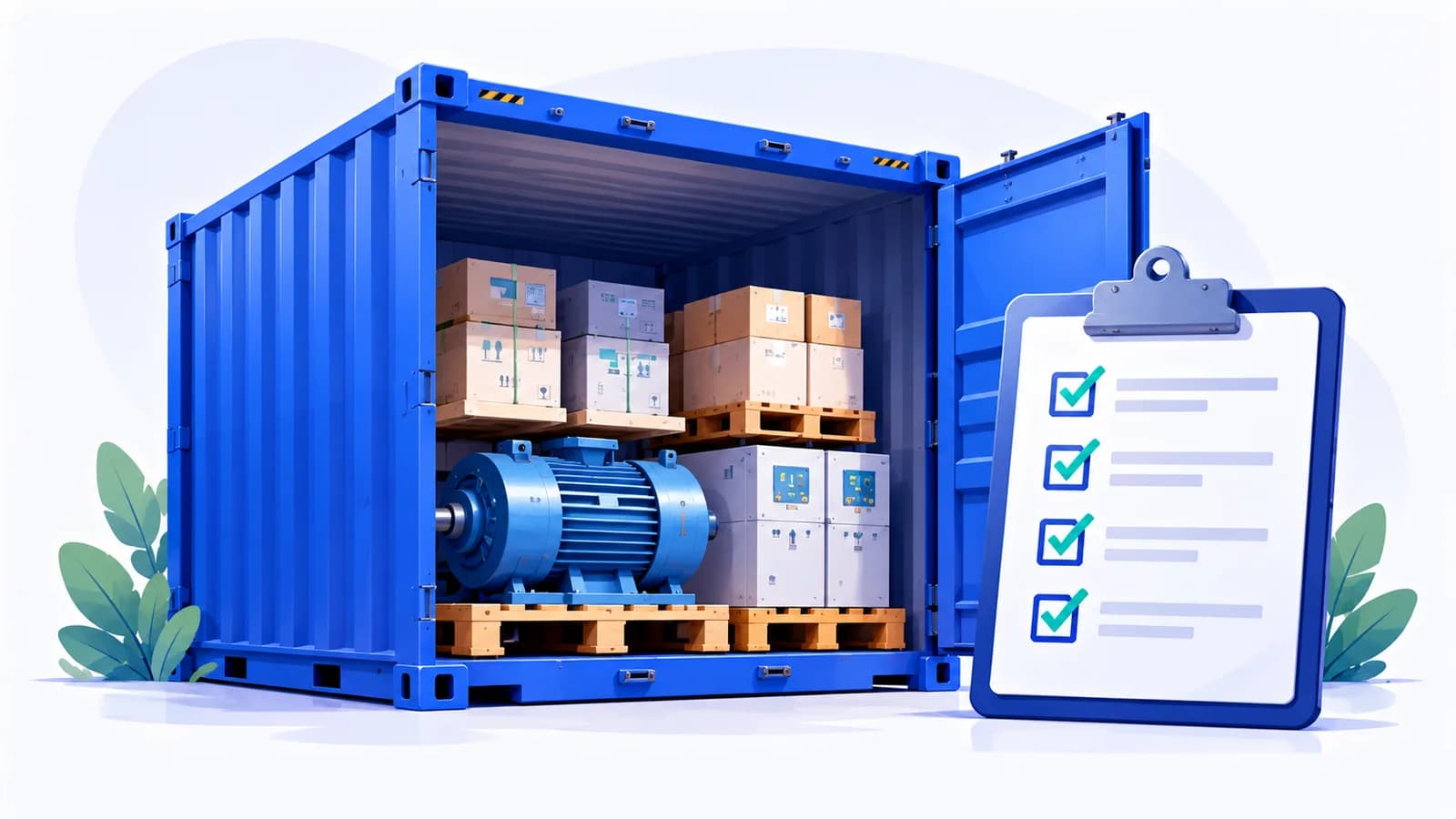
- Inspect during production, not only before loading
- Test functions, not just appearance and count
- Photograph the packing against the order list
- Solve problems while the goods are still in China
Gap 5: the handover between parties
Shipments stall where responsibility changes hands: factory to forwarder, forwarder to broker, port to transport. One party managing both borders removes those seams entirely.
Close these five gaps and importing becomes an ordinary purchase with a longer delivery time.