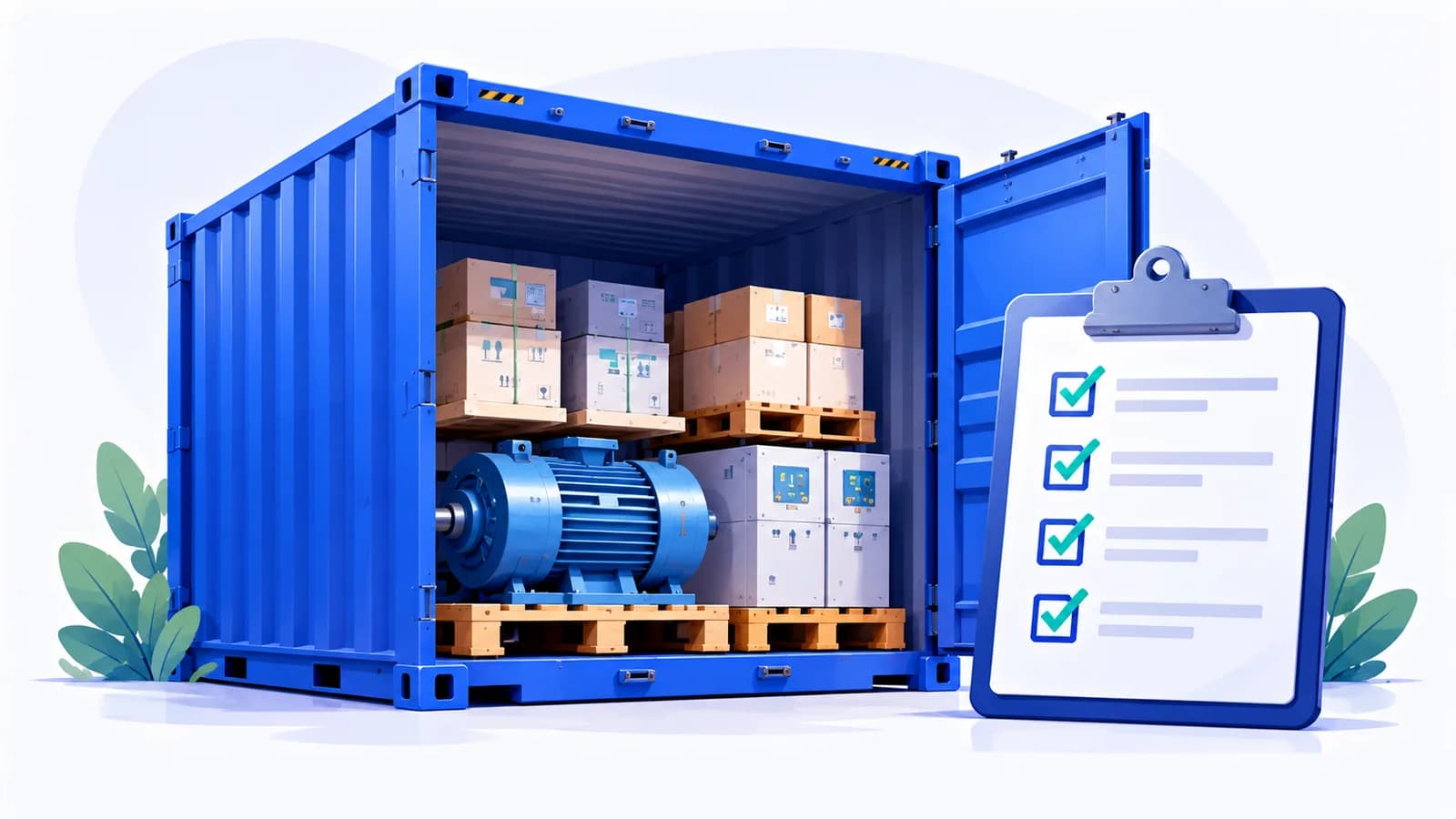
Local Content and IKTVA: What It Means If You Are the Supplier
Local content has moved from a preference to a scored requirement. If you sell to the large buyers, your percentage is now part of your price.
Valeur X Founder
Sourcing since 2012
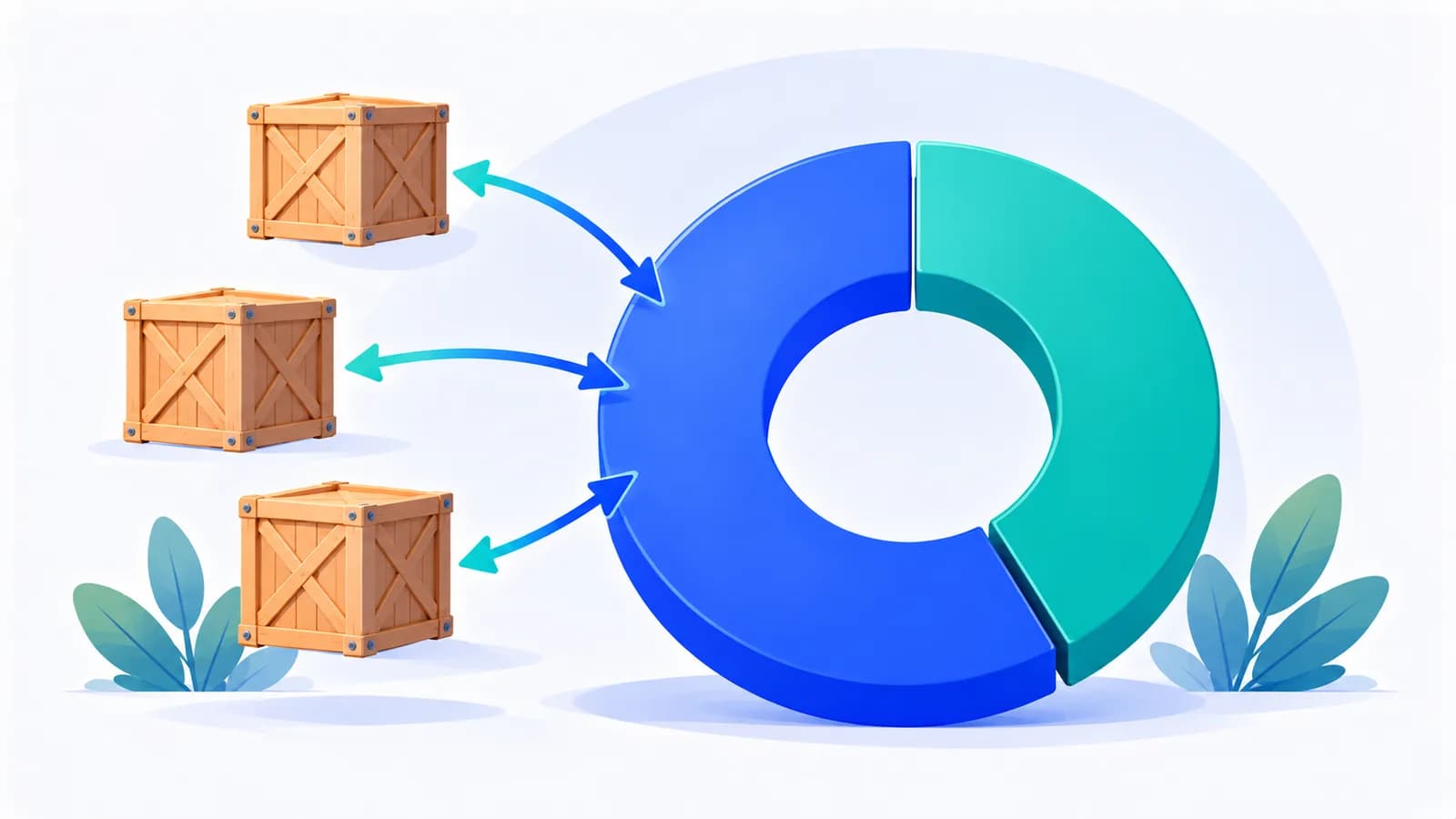
For a long time local content was something a tender mentioned and nobody measured. That has changed. The large industrial buyers now score it, publish the methodology, and use the result when comparing offers — which means a supplier with a lower price can lose to one with a better percentage.
It is measured, not asserted
The calculation looks at where your spend actually goes: goods and services bought inside the Kingdom, Saudi salaries paid, assets held locally, and the training and development you fund. Every part of it has to be evidenced from your own accounts, which is why companies that have never tracked spend by origin find the first submission painful.
- Supplier spend split by country of origin, not by the invoicing entity
- Payroll separated into Saudi and non-Saudi, matching GOSI records
- Locally held assets and the depreciation attributed to them
- Training and development spend with supporting documents
Fix the record-keeping first
The percentage is an output of your bookkeeping. If purchases are not tagged by origin as they are entered, someone will reconstruct a year of invoices by hand before the deadline. Adding one field to the supplier record at the start of the year is the cheapest local-content work you will ever do.
A local content number you cannot evidence from the ledger is a number you will be asked to withdraw.
Then change what you can change
Once you can see the figure, the improvements are usually obvious: a component that has a local equivalent, a service bought abroad out of habit, a contractor who could be engaged directly. Most suppliers find several points of improvement in the first year simply from being able to see where the spend goes.
Treat it as commercial work rather than compliance paperwork. The percentage affects which tenders you win, and that makes it a revenue question.